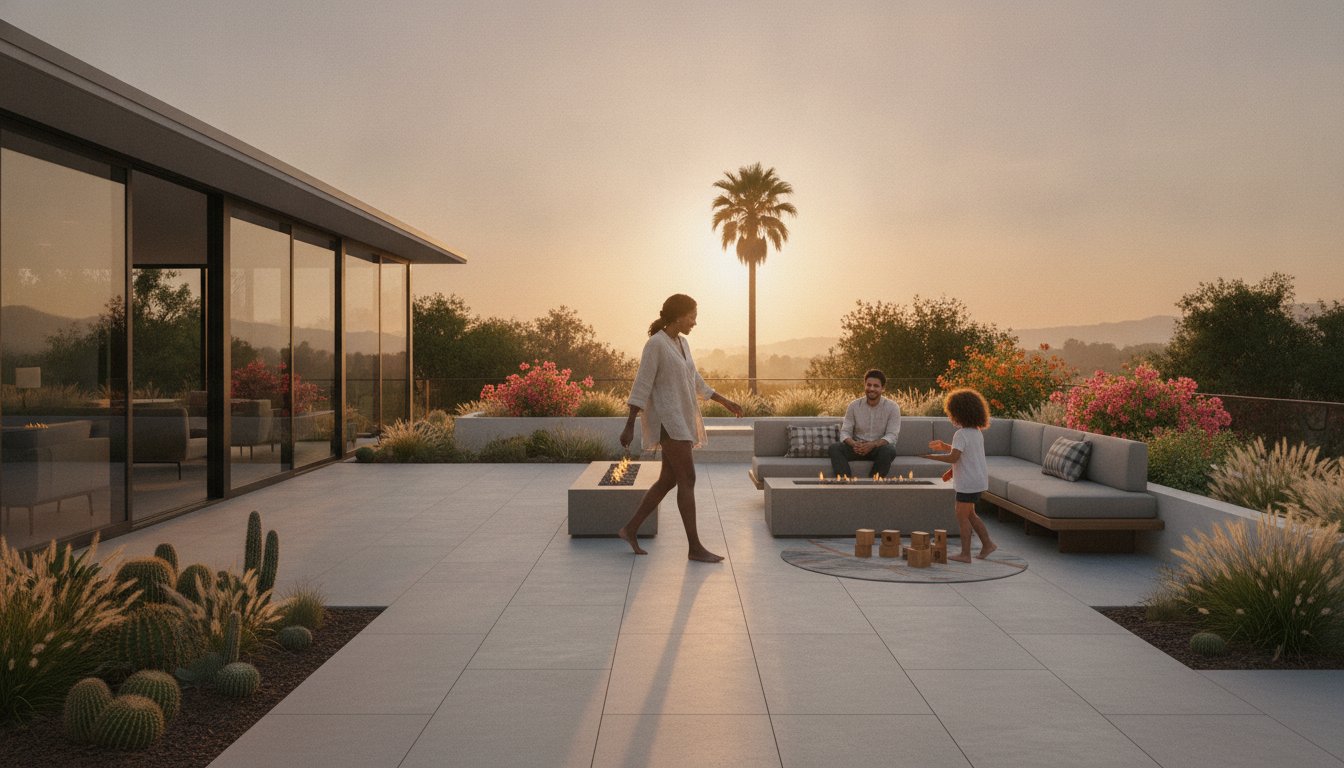
Best Pavers for Southern California Climate: A 2026 Comparison Guide
On a typical July afternoon in Los Angeles, your patio surface can reach a blistering 140 degrees, effectively turning a beautiful outdoor retreat into a dangerous heat trap. You shouldn't have to sprint across your own backyard to avoid burned feet or worry about unsightly cracks caused by our region's expansive soils and seismic activity. Finding the best pavers for Southern California climate is about more than just picking a pretty color; it's about choosing a flexible, high-reflectivity system that survives the elements while protecting your investment.
Discover which materials withstand intense UV rays and handle our rare but heavy seasonal rains without requiring constant maintenance. This 2026 comparison guide explores the durability, thermal performance, and aesthetic appeal of top-tier materials like porcelain, travertine, and reinforced concrete. We will show you how to transform your landscape into a cool, sustainable, and resilient sanctuary that enhances your property's value for years to come. By the end of this guide, you will have the clarity needed to select a hardscaping solution that balances long-term functionality with immediate visual impact.
Key Takeaways
- Identify the specific climate stressors, such as intense UV exposure and Santa Ana winds, that dictate the longevity of your hardscaping materials.
- Evaluate the top-performing materials to find the best pavers for Southern California climate, ensuring your patio survives seismic shifts and extreme heat.
- Master the "Barefoot Test" by selecting high-albedo materials that reflect solar radiation and keep your walking surfaces cool in the July sun.
- Prioritize the "invisible 70%" of your project by learning why professional base preparation and integrated drainage systems are vital for structural integrity.
- Integrate your hardscaping with sustainable, drought-tolerant landscape design to build a resilient sanctuary that handles heavy rains and increases property value.
Understanding the Southern California Climate Stressors for Hardscaping
Southern California offers a stunning backdrop for outdoor living, but the local environment presents unique challenges for any hardscaping project. With over 280 days of sunshine annually, your patio faces a constant barrage of high-energy radiation. This relentless exposure dictates which materials qualify as the best pavers for Southern California climate. Beyond the sun, seasonal Santa Ana winds carry abrasive dust and dry air that test the finish of every surface. You need a solution that remains beautiful under pressure while serving as a functional sanctuary for your family.
UV Exposure and Pigment Longevity
Intense UV radiation does more than just fade colors; it can compromise the very fabric of your landscape. Lower-quality concrete products often suffer from "chalking," a process where the binder breaks down into a powdery residue under the desert sun. To ensure long-term beauty, look for products manufactured with integral pigments. These colors are mixed throughout the entire material rather than just applied to the surface. Selecting a high-quality paving stone ensures that the structural integrity remains intact even after decades of solar exposure. Your choice of color also impacts the Urban Heat Island effect. By choosing lighter tones, you reduce heat absorption and help lower the ambient temperature of your property.
Expansive Soils and Seismic Flexibility
The ground beneath Los Angeles and Santa Clarita is rarely still. Expansive clay soils swell when wet and shrink when dry, putting immense pressure on outdoor surfaces. While traditional concrete slabs often crack under this stress, interlocking paver systems offer a resilient alternative. These systems are designed to be flexible. They shift slightly with the earth, absorbing movement without fracturing or losing their alignment.
Seismic activity is a constant reality for every California homeowner. If a minor tremor occurs, a rigid concrete slab is likely to suffer permanent, unsightly damage that requires a full tear-out to fix. In contrast, pavers allow for easy, localized repairs. You can simply lift the affected units, re-level the base, and replace them. This adaptability provides structural durability, aesthetic harmony, and long-term value. It's a proactive approach to landscape design that respects the power of our local environment. During Santa Ana wind events, high-density pavers also resist the penetration of abrasive dust, ensuring your outdoor space stays pristine with minimal maintenance.
Top 4 Paver Materials for Los Angeles Homes: A Side-by-Side Comparison
Selecting the right material requires a balance of utility, aesthetics, and climate resilience. While the previously discussed seismic and UV stressors dictate the technical needs, your choice of material defines the lifestyle your outdoor space facilitates. For homeowners seeking the best pavers for Southern California climate, we prioritize four distinct categories that offer the highest durability and return on investment for the Los Angeles basin. These materials are engineered to survive the elements while transforming your property into a functional sanctuary.
Concrete vs. Porcelain: Durability and Style
Interlocking concrete pavers serve as the versatile workhorse for high-traffic areas like driveways and expansive patios. They offer superior load-bearing capacity and a wide array of textures, ranging from rustic Mediterranean cobblestones to sleek, linear designs. In contrast, porcelain pavers provide a sophisticated, non-porous solution for luxury dining areas and outdoor kitchens. While not intended for heavy vehicle traffic, porcelain's near-zero water absorption rate makes it impervious to stains from grease, wine, or salt air. If you are debating between these two high-performance options, the consultants at Alma Gardening Company can help you select the ideal finish for your specific architectural style.
Natural Stone and Permeability
Natural stone, particularly travertine and limestone, remains the gold standard for pool decks and barefoot paths. Travertine's natural porosity and light-colored composition ensure it stays significantly cooler than man-made alternatives in the intense San Fernando Valley sun. These materials integrate perfectly with cool pavement technologies to mitigate the heat island effect near your home. The result is a slip-resistant, elegant surface that enhances both safety and property value.
Permeable pavers represent the most sustainable choice for modern hardscaping. These systems utilize wider joints and specialized aggregates to allow rainwater to infiltrate the soil directly, recharging local aquifers and reducing runoff. This is especially critical for meeting Los Angeles Low Impact Development (LID) requirements during our seasonal downpours. By choosing the best pavers for Southern California climate that also support groundwater health, you create a landscape that is both beautiful and environmentally responsible. We specialize in blending these permeable systems with our professional drainage solutions to ensure a dry, stable foundation for your home.
The Barefoot Test: Thermal Performance and Heat Resistance
In the peak of a Los Angeles summer, the ground beneath your feet becomes a significant thermal battery. While aesthetic choices like dark charcoal or deep gray pavers are popular for their modern look, they can reach temperatures of 150°F in direct July sun. This intensity creates a localized heat island effect that radiates warmth back into your home and garden long after sunset. Choosing the best pavers for Southern California climate requires a strategic focus on thermal performance to ensure your outdoor space remains usable during the hottest hours of the day.
Solar Reflectance Index (SRI) Explained
Solar Reflectance Index (SRI) is the measure of a surface's ability to stay cool in the sun. For homeowners in the San Fernando Valley or the Inland Empire, selecting materials with a high SRI value is essential for climate resilience. Lighter colors like cream, beige, and light tan reflect more solar radiation than they absorb. This choice reduces the overall cooling load on your home by preventing the "oven effect" that dark hardscaping creates near windows and glass doors. It's a simple change that delivers immediate comfort and long-term energy savings for your property.
Safe Surfaces for Kids and Pets
Protecting sensitive paws and small feet is a top priority for any family-oriented landscape. Standard gray concrete and dark interlocking blocks often pose a risk of thermal shock for pets, who cannot always signal when a surface is dangerously hot. Natural travertine and light-colored porcelain stay 20% to 30% cooler underfoot compared to traditional masonry. We mirror "Cool-Roof" technology in Alma Gardening Company's approach to hardscaping by prioritizing high-albedo materials that maintain a manageable temperature even in the afternoon heat.
Design plays a crucial role in managing thermal stress across your landscape. We often blend these high-performance pavers with sustainable garden elements like strategic tree placement or custom pergolas to create pockets of relief. This approach transforms a scorching patio into a functional sanctuary. By balancing material science with a thoughtful layout, you can enjoy the best pavers for Southern California climate without sacrificing comfort or safety. Integrating these heat-resistant surfaces ensures your backyard remains a destination for relaxation rather than a space to be avoided.
Professional Installation: Base Prep, Drainage, and Longevity
The longevity of your outdoor space depends on the invisible infrastructure beneath the surface. While the aesthetic choice of materials is exciting, the base layer represents roughly 70% of the total effort required for a successful project. Even the best pavers for Southern California climate will fail if they are installed on a substandard foundation. Professional installation ensures that your investment remains level, stable, and beautiful despite the constant environmental pressures of our region.
The Anatomy of a High-Quality Paver Base
Base preparation begins with understanding the specific soil profile of your property. In many Los Angeles neighborhoods, expansive clay soils require deep excavation and mechanical compaction to prevent future settling. We utilize geotextile fabrics to separate the subgrade from the base aggregates, which provides essential stabilization during minor seismic shifts. Every installation must maintain a precise 1% to 2% slope. This subtle grade directs water away from your home's foundation and prevents the pooling that can lead to surface degradation or mold growth.
Drainage Integration
Southern California is famous for its dry spells, but recent years have shown the destructive power of "Atmospheric River" events. Proper hardscape engineering must account for these heavy downpours. We protect your home's foundation by integrating French drains and catch basins directly into the paver design. These systems capture excess runoff and channel it toward professional irrigation and drain lines. By connecting your hardscaping to a comprehensive drainage plan, we ensure your landscape handles rare but intense rains without erosion or flooding. If you want to ensure your patio is built to last, schedule a consultation with Alma Gardening Company to discuss a custom drainage and installation plan.
The finishing touches are just as critical for long-term maintenance. We prioritize the use of polymeric sand over traditional sand for all joint work. This specialized material hardens upon wetting, creating a durable bond that resists weed growth and prevents ants from undermining your patio. To stop "paver creep," where the outer units begin to drift apart over time, we install heavy-duty edge restraints. These hidden borders lock the entire system in place, ensuring your walkway or driveway maintains its clean, professional lines for decades. This methodical approach to installation transforms a simple patio into a resilient, high-value asset for your property.
Designing Your Sustainable Sanctuary with Alma Gardening
Creating a functional sanctuary requires a holistic approach to landscape design. We believe that selecting the best pavers for Southern California climate shouldn't happen in isolation. Instead, these materials should serve as the structural backbone for a larger, drought-tolerant ecosystem. By blending high-performance hardscaping with native plantings and water-wise features, we create spaces that are as environmentally responsible as they are visually stunning. This synergy between stone and soil defines the modern California aesthetic.
Every home possesses a unique character that dictates the choice between custom concrete work and intricate paver patterns. While some architectural styles benefit from the monolithic, modern look of concrete, others require the texture and rhythmic detail found in various paver arrangements. We help you navigate these choices by focusing on aesthetic harmony and long-term functionality. Our process moves methodically from the technical infrastructure discussed earlier to a polished, high-end finish that reflects your personal style.
Eco-Friendly Outdoor Living
Sustainability is at the heart of our design philosophy. We frequently combine premium pavers with high-quality synthetic turf to create lush, low-water backyards that remain green year-round without the need for irrigation. This pairing offers a clean, organized look that reduces maintenance costs significantly. To extend the usability of your space into the evening hours, we integrate professional outdoor lighting. This highlights the textures of your new hardscape and ensures safe navigation through your garden sanctuary. Investing in a professionally designed sustainable landscape provides a high return on investment by increasing property value and reducing monthly utility expenses.
Start Your Transformation
Your journey toward a transformed landscape begins with an initial consultation where we assess your property’s specific needs. We evaluate soil conditions, drainage requirements, and your vision for the space. Our team brings deep local expertise to every project in Los Angeles and Santa Clarita, ensuring that all work meets regional building codes and permitting standards. We remain committed to technical excellence and high-value installation from the first excavation to the final joint sand application. Our goal is to simplify the complex nature of home improvement through organized expertise and reliable craftsmanship.
Transform your SoCal backyard with Alma Gardening’s expert hardscaping services.
We are not just service providers; we are your partners in creating a resilient outdoor environment. By choosing the best pavers for Southern California climate and pairing them with expert design, you secure peace of mind for years to come. Your property deserves the intersection of beauty and utility that only a seasoned hardscaping professional can provide. Start your project today and experience the calm, organized expertise that simplifies the transformation of your personal environment.
Build Your Resilient Outdoor Sanctuary
Your backyard is an extension of your home and a vital part of your property's long-term value. By selecting materials with high solar reflectance and prioritizing the structural integrity of a flexible base, you protect your investment against the region's intense heat and seismic shifts. Choosing the best pavers for Southern California climate is the first step toward a landscape that thrives in our unique environment. It's about more than just aesthetics; it's about creating a space that remains cool and functional for your family.
A successful transformation requires a partner who understands the technical nuances of Southern California drainage and irrigation. We specialize in drought-tolerant landscape design and the professional installation of high-quality synthetic turf and hardscapes. This comprehensive approach ensures your new patio integrates seamlessly with a sustainable garden ecosystem. Schedule your sustainable landscape design consultation with Alma Gardening today. Let's turn your vision of a durable, beautiful retreat into a reality that stands the test of time.
Frequently Asked Questions
What are the coolest pavers for a pool deck in Southern California?
Travertine and light-colored porcelain are the coolest options for a Southern California pool deck. These materials possess a high Solar Reflectance Index (SRI), meaning they reflect more heat than they absorb. Natural travertine remains significantly cooler underfoot than standard concrete or dark stone. This thermal performance ensures a safe, comfortable surface for bare feet during peak summer hours while maintaining an elegant, high-end aesthetic for your outdoor sanctuary.
Do pavers increase home value in the Los Angeles area?
Professional paver installation significantly boosts property value and curb appeal across the Los Angeles area. Potential buyers prioritize durable, low-maintenance outdoor living spaces that are ready for immediate enjoyment. High-quality hardscaping suggests a well-maintained home and offers an impressive return on investment. By choosing the best pavers for Southern California climate, you demonstrate a commitment to long-term quality and environmental resilience, making your property stand out in a competitive market.
How do I prevent weeds from growing between my pavers?
Use polymeric sand in the joints to effectively prevent weed growth between your pavers. This specialized sand hardens into a flexible, durable bond once it is activated with water. It creates a physical barrier that discourages seeds from taking root and prevents ants from undermining the structure. Combine this with a professional geotextile fabric during installation to block subterranean growth. This proactive approach ensures a clean, organized look with minimal ongoing effort.
Are pavers better than concrete for earthquake-prone areas?
Pavers are superior to traditional concrete slabs in earthquake-prone regions like Southern California due to their inherent flexibility. An interlocking paver system consists of individual units that can shift independently during seismic activity. This allows the surface to absorb ground movement without cracking or fracturing. If the ground settles or shifts, you can easily remove and reset specific units. This adaptability makes them the best pavers for Southern California climate when considering long-term structural integrity.
How much maintenance do pavers really require in SoCal?
Pavers require very little maintenance beyond occasional sweeping and a light rinse to remove dust carried by Santa Ana winds. You should plan to refresh the joint sand and apply a high-quality sealer every three to five years to protect against UV fading and stains. This simple routine preserves the material's structural integrity and keeps colors vibrant. Unlike natural grass or wood decking, pavers don't need constant watering, mowing, or intensive staining to remain beautiful.
Can I install pavers over my existing concrete patio?
You can install pavers over an existing concrete patio using a method known as an overlay, provided the concrete is in good structural condition. The surface must be level and free of major cracks to ensure a stable foundation for the new units. We use specialized thin-set pavers or standard units with a sand setting bed to achieve the desired height and drainage. This technique allows for a dramatic transformation without the noise and expense of a full concrete demolition.
How long does a professional paver installation take in Los Angeles?
A professional paver installation typically takes between three to seven days for an average-sized residential patio. The timeline depends on the complexity of the design, the amount of excavation required, and the integration of drainage systems. We prioritize a methodical workflow to ensure each phase, from base compaction to final sealing, is completed with precision. Our organized approach minimizes disruption to your daily life while delivering a high-quality, durable result that you can enjoy immediately.
Do I need a permit for a paver patio in Santa Clarita?
Most standard paver patio installations in Santa Clarita do not require a building permit if they are considered "flatwork" and don't involve structural walls. However, you must still comply with local Low Impact Development (LID) requirements for drainage and water runoff. If your project includes significant changes to the grade or the installation of permanent outdoor structures, it's best to verify with the city's building department. We handle the technical details to ensure your project remains fully compliant with regional regulations.
