California Native Plant Landscaping Ideas: Elevate Your Los Angeles Garden in 2026
What if your backyard could pay you up to $25,000 to stop being a source of stress? With the LADWP residential turf rebate currently at $5.00 per square foot, the financial incentive to ditch your thirsty lawn has never been stronger. You've likely felt the frustration of watching traditional grass turn brown under Los Angeles watering restrictions, all while your monthly bills continue to climb. It's exhausting to maintain a space that looks "dead" during the peak of summer. You deserve a yard that feels like a retreat, not a second job.
Discover how to transform your property into a sustainable sanctuary using sophisticated California native plant landscaping ideas and professional hardscaping. We'll explore the intersection of ecological responsibility and high-end architectural design to help you achieve a low-maintenance, drought-tolerant haven. This article previews the essential steps to increase your property value, optimize smart irrigation, and create a stunning space for outdoor entertaining. It's time to build a landscape that thrives in our local climate while providing the sensory appeal, long-term durability, and peace of mind you've been looking for.
Key Takeaways
- Discover why a biodiverse, native-rich ecosystem is the superior alternative to traditional xeriscaping for the modern Los Angeles home.
- Master the "Right Plant, Right Place" philosophy by implementing sophisticated california native plant landscaping ideas that utilize efficient hydrozones and strategic layering.
- Explore curated design themes, from the minimalist lines of Desert Modern to the fragrant, lush textures of Coastal Sage Scrub.
- Learn how professional hardscaping and permeable pavers create an intentional frame that elevates native plants while meeting local drainage standards.
- Gain a clear understanding of the professional installation timeline required to transform your vision into a sustainable, low-maintenance sanctuary.
Why California Native Landscaping is the Future of Los Angeles Gardens
Los Angeles is entering a new era of home design. The traditional green lawn is becoming a relic of the past, replaced by vibrant, living ecosystems that thrive in our specific environment. California native landscaping is more than just a survival strategy for drought. It's a sophisticated approach to Natural landscaping that synchronizes your home with the local environment. By choosing california native plant landscaping ideas, you aren't just saving water; you're building a resilient, high-value asset that reflects the true character of Southern California.
The benefits of this shift extend far beyond the garden gate. Property owners in 2026 are seeing tangible returns on sustainable investments. Professional native designs reduce long-term maintenance costs and slash water bills significantly. They also boost property resale value as modern buyers prioritize climate-ready homes over high-maintenance turf. Environmentally, these gardens serve as vital corridors for local wildlife. You'll see Monarch butterflies and California quail returning to your yard, drawn by the specific plants they've evolved with for millennia.
The Mediterranean Climate Advantage
LA's unique Mediterranean climate, defined by wet winters and parched summers, is the perfect stage for endemic species. These plants have spent thousands of years perfecting their survival tactics. They naturally resist local pests, which means you can finally stop using harsh chemical interventions. It's vital to distinguish between "drought-tolerant" and "native." Many drought-tolerant plants are invasive non-natives that disrupt local soil health. True natives support the ground's natural biology while requiring minimal supplemental water once they're established.
Modern Aesthetics: Beyond the 'Dry Brush' Myth
Forget the misconception that a native garden looks like a collection of brown, brittle sticks during July. Modern california native plant landscaping ideas focus on intentional structure and seasonality. By utilizing evergreen native shrubs like Manzanita or Ceanothus, we create a permanent green backbone for your space. Professional design ensures a rotating palette of color. You'll enjoy the silver-blue hues of Agave, the deep greens of Toyon, and the vibrant bursts of California Poppy. A well-planned native landscape remains lush, architectural, and inviting throughout the hottest months of the year.
Core Design Principles for a Modern Native Landscape
Transforming a traditional yard into a functional sanctuary requires more than just swapping grass for greenery. It demands a shift toward architectural intentionality. Successful california native plant landscaping ideas rely on a visual hierarchy that guides the eye through the space. You begin with structural anchors. Large-scale natives like the Western Redbud or the sculptural Desert Willow serve as focal points. These trees provide the necessary scale to balance your home's architecture. From there, you layer downward. By placing mid-height perennials and low-growing groundcovers beneath your canopy, you create a sense of depth that makes even a compact Los Angeles lot feel expansive.
Seasonality is the next pillar of a professional design. Many homeowners worry about a "dormant" look, but a curated palette ensures constant interest. We select species that bloom in succession. While winter and spring offer their own highlights, a rhythmic approach to planting ensures your garden remains a dynamic environment rather than a static display. It's a strategy that prioritizes long-term beauty and ecological health over immediate, fleeting impacts.
Hydrozoning for Efficiency
Precision is essential when managing Los Angeles soil types. Hydrozoning is the practice of grouping plants with identical water requirements into specific "zones." We place high-water needs near natural drainage points and reserve sunny, fast-draining slopes for the most drought-hardy species. This organization prevents overwatering, which is a primary cause of native plant failure. To manage these complex needs, the sustainable landscape design services from Alma Gardening Company integrate smart irrigation systems that deliver the exact amount of moisture each zone requires. It's a technical solution that guarantees peace of mind and resource conservation.
Creating Visual Texture and Contrast
Modern aesthetics thrive on contrast rather than clutter. We often mix the luminous, silver foliage of White Sage with the deep, glossy greens of Coffeeberry to create immediate visual impact. You can find detailed species profiles on Calscape to help identify which textures resonate with your personal style. Beyond the plants themselves, "negative space" plays a vital role. Using high-quality mulch or decomposed granite between clusters allows individual plant forms to stand out. This clean, organized look elevates the entire property. It proves that native gardens can be just as polished and sophisticated as any traditional estate.
Themed Landscaping Ideas: From Desert Modern to Coastal Sophistication
High-end landscaping requires a clear design language. It is the difference between a random collection of plants and a curated environment that enhances your home's architecture. When exploring california native plant landscaping ideas, the most successful projects begin with a cohesive theme. This approach ensures that every species, hardscape material, and lighting fixture works together to create a unified aesthetic. Whether you prefer the sharp, minimalist lines of the high desert or the soft, fragrant textures of the Pacific coast, your garden should feel like a natural extension of your living space.
Beyond aesthetics, themed designs provide functional benefits that simplify your life. A well-executed theme organizes your yard into a high-performing ecosystem. Consider these popular Los Angeles styles:
- The Oak Woodland: Transform a shaded corner into a cool, tranquil retreat. By pairing majestic Coast Live Oaks with native ferns and Heuchera, you create a private forest floor that lowers ambient temperatures.
- Pollinator Paradise: Design with a purpose. Selecting high-nectar blooms like California Fuchsia and narrow-leaf milkweed attracts hummingbirds and local bees, turning your yard into a vibrant, moving tapestry of color.
- Coastal Sage Scrub: Embrace the classic California scent. This lush mix of White Sage, Buckwheat, and California Lilac provides a fragrant, textured screen that offers year-round privacy.
The Desert Modern Look
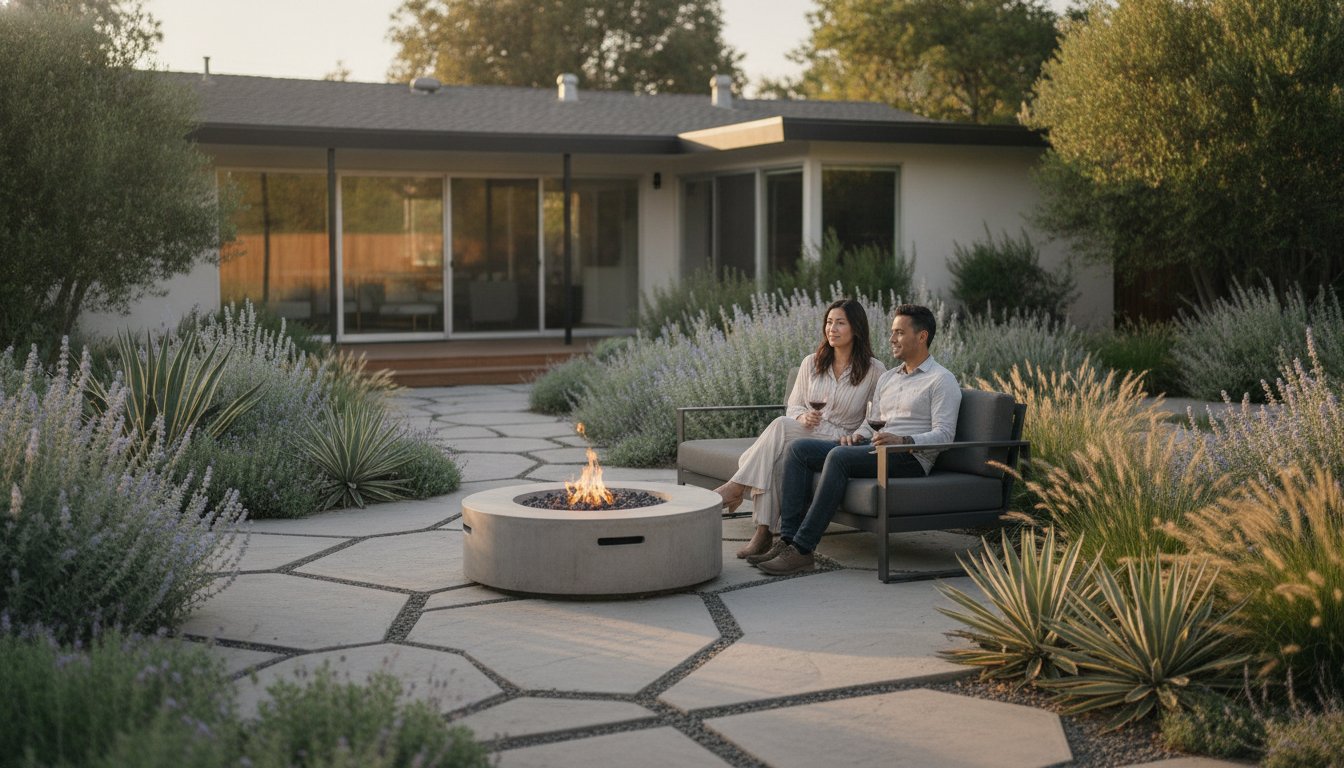
Achieve a clean, minimalist aesthetic that thrives in the intense heat of the San Fernando Valley or Santa Clarita. This style relies on the architectural silhouettes of Shaw's Agave, Desert Spoon, and the striking green bark of Palo Verde trees. To complete the look, we pair these structural plants with smooth concrete pads and dark basalt gravel. This combination creates a high-contrast, low-maintenance environment that looks sophisticated in any season. It is a bold statement of modern sustainability that prioritizes form, function, and durability.
Coastal Sophistication
Bring the relaxed elegance of Malibu or Santa Monica to your residential lot. This theme focuses on low-growing, resilient species like Sea Pink, Island Alumroot, and Seaside Daisy. These plants offer delicate textures and soft colors that thrive in the salt air and coastal fog. We elevate this design by integrating natural stone pavers and weathered wood elements. The result is a refined, breezy atmosphere that feels both luxurious and grounded. It is the perfect california native plant landscaping ideas solution for homeowners who value a soft, organic aesthetic that requires minimal intervention.
Balancing Softscape with Hardscape: Pavers, Patios, and Drainage
A premium landscape is defined by the balance between living elements and structural foundations. While many california native plant landscaping ideas focus solely on the flora, the most successful designs use hardscaping as a deliberate frame. This architectural skeleton prevents a native garden from appearing unkempt. It signals intentionality. By defining clear boundaries with patios, walkways, and retaining walls, you transform a wild-looking ecosystem into a polished, high-end outdoor living space. It's the difference between a yard that looks overgrown and one that looks curated.
Integrating custom water features further elevates this balance. A recirculating stone fountain or a shallow boulder basin provides a critical water source for local birds and pollinators. It creates a serene focal point for you to enjoy while serving a vital ecological role. This intersection of beauty and utility is the hallmark of a functional sanctuary. It provides peace of mind, aesthetic harmony, and long-term value for your Los Angeles property.
Permeable Pavers and Natural Stone
Traditional solid concrete often creates runoff issues that conflict with the goals of a sustainable garden. We prefer permeable paver systems that allow rainwater to infiltrate the ground directly. This approach recharges local groundwater and helps homeowners meet Los Angeles Low Impact Development (LID) standards. When selecting materials, natural stone pathways act as human corridors through dense plantings. We choose earthy tones like warm tans, cool greys, and muted ochres that complement the silver and sage greens of native foliage. This creates a seamless transition between the built environment and the natural world.
Technical Infrastructure: Drainage and Irrigation
The most important parts of a landscape are often the ones you'll never see. Native plants require specialized irrigation strategies during their establishment phase. Once mature, many need very little supplemental water; yet they still require a reliable backup for extreme heat waves. We integrate these systems invisibly, ensuring your garden thrives without the clutter of visible pipes or spray heads. It's a methodical approach that guarantees your plants get exactly what they need.
Proper drainage is equally critical. Heavy winter rains in Los Angeles can lead to pooling and foundation issues if not managed correctly. We utilize professional hardscaping and drainage solutions from Alma Gardening Company like French drains and catch basins to redirect runoff. This water can be funneled into rain gardens, which are depressed areas planted with moisture-loving natives like Juncus or Carex. These systems protect your home's structural integrity while turning a potential hazard into a beautiful, functional landscape feature.
Planning Your Transformation: From Vision to Sustainable Reality
Building a high-end native garden is a methodical journey. It starts with a deep dive into the specific micro-conditions of your property. We evaluate sun exposure patterns, analyze soil drainage, and inspect existing structures to determine the optimal layout for your new space. These initial observations form the technical foundation for all successful california native plant landscaping ideas. Without this groundwork, even the most striking design will struggle to thrive in the long term. We prioritize precision. The results are lasting.
Many homeowners are drawn to the promise of a low-maintenance yard. It's important to understand what that looks like in practice. You'll trade the weekly chore of mowing for occasional, seasonal tasks. Instead of high-volume water use and constant fertilizing, your maintenance will focus on strategic pruning and checking irrigation efficiency. It's a shift from labor-intensive upkeep to mindful stewardship. This transition creates a functional sanctuary that rewards you with beauty rather than demanding your entire weekend.
The Design-Build Advantage
Choosing a design-build partner like Alma Gardening Company streamlines the entire transformation. We eliminate the friction between the vision and the reality. By keeping the designer and installer on the same team, we prevent common native planting failures that occur when technical details are lost in translation. We manage every aspect of the project. From precision concrete work and pavers to the delicate placement of each endemic species, we ensure a cohesive result. We also prioritize professional soil testing before a single plant goes into the ground. This ensures your soil's biology is ready to support a vibrant, biodiverse ecosystem.
Next Steps for Your LA Home
Your journey toward a sustainable yard involves a critical establishment phase. During the first 12 to 18 months, your new garden requires focused attention to ensure roots take hold. We guide you through this period, adjusting smart irrigation and monitoring plant health as the ecosystem matures. Once established, the garden becomes largely self-sustaining. It's an investment in your property's future and your personal enjoyment. The process is organized. The transformation is profound.
Are you ready to elevate your outdoor living space? Book your sustainable landscape design consultation with Alma Gardening Company today. We'll help you navigate the complexities of native design to create a space that is as durable as it is beautiful.
Build Your Functional Sanctuary for the Future
Your outdoor space should be a source of pride, not a drain on your time and resources. By embracing california native plant landscaping ideas, you're choosing a path that prioritizes aesthetic harmony, long-term value, and ecological health. You've seen how the right combination of structural anchors, seasonal blooms, and permeable hardscaping can transform a struggling yard into a sophisticated retreat. It's about more than just surviving the heat. It's about thriving in it.
Alma Gardening Company brings a visionary approach to every project. We are specialized in LA's unique microclimates and serve as integrated hardscape and drainage experts. Our licensed and insured team manages the technical complexity so you don't have to. We ensure your investment is protected by high-quality craftsmanship and sustainable infrastructure. Transform your Los Angeles yard with a custom native landscape design. Contact Alma Gardening Company today. You can have a garden that is both beautiful and resilient. Let's start building your legacy today.
Frequently Asked Questions
Are California native plants really low maintenance?
Yes, California native plants are significantly lower maintenance than traditional turf, but they are not "no maintenance." You will replace weekly mowing and fertilizing with seasonal pruning and occasional mulching. This shift reduces your labor hours and eliminates the need for chemical interventions. A well-designed native garden works with the local environment to stay healthy, allowing you to enjoy a beautiful space with far less effort.
Do native gardens look brown and dead during the summer?
No, a professionally designed native garden remains vibrant and green throughout the year. We select evergreen species like Toyon and Manzanita to provide a permanent green backbone. Summer-blooming plants like California Fuchsia add bursts of bright color during the hottest months. By using california native plant landscaping ideas that focus on seasonal succession, your garden will maintain its structure and appeal even during the height of a Los Angeles summer.
Can I get a rebate for replacing my lawn with native plants in Los Angeles?
Yes, Los Angeles residents can receive a $5.00 per square foot rebate through the LADWP Turf Replacement Program. This financial incentive applies to residential projects up to 5,000 square feet, potentially totaling $25,000. It is a highly effective way to offset the costs of professional installation. These funds help you transition from high-maintenance grass to a sustainable, biodiverse environment that thrives in our local climate.
Which native plants are best for small backyards in LA?
Compact species like Island Alumroot, Seaside Daisy, and various dwarf Sages are perfect for smaller Los Angeles residential lots. These plants provide high visual impact without overwhelming the space. We also utilize vertical elements like the "Roger's Red" California Grape on fences to add lush greenery without sacrificing floor space. These selections allow you to create a dense, layered feel even in a limited footprint.
How often do I need to water California native plants once established?
Established native plants typically require deep watering only once or twice a month during the dry season. This schedule mimics the natural subterranean moisture levels these species expect. It is important to avoid frequent, shallow sprinkling, as this can lead to root rot in many endemic species. Using smart irrigation systems ensures your garden receives the precise amount of moisture needed to maintain its health without wasting water.
Will a native plant garden attract snakes or pests to my home?
Native gardens actually reduce pest problems by supporting a balanced ecosystem of beneficial insects. While they attract pollinators like butterflies and bees, they do not inherently attract snakes or dangerous pests to your home. Snakes generally avoid areas with regular human activity and professional maintenance. By providing a habitat for predatory insects like ladybugs, your garden naturally resists the aphids and mites that often plague non-native ornamental plants.
Is it better to plant natives in the fall or spring in Southern California?
Fall is the optimal time for planting in Southern California, specifically from October through December. Planting during this window allows your new garden to take advantage of the winter rains. This helps the root systems become established before the intense heat of the following summer arrives. While you can plant in the spring, it requires much more rigorous irrigation management to ensure the young plants survive their first dry season.
How do I make a native garden look 'modern' and not like a wild field?
Incorporating clean hardscape lines and mass planting techniques ensures your california native plant landscaping ideas look intentional rather than wild. Use geometric pavers, smooth concrete, and professional lighting to define "human zones" within the garden. Grouping the same species together in large drifts creates a sense of rhythm and modern minimalism. This structured approach provides the architectural "frame" needed to make native flora look sophisticated and high-end.
