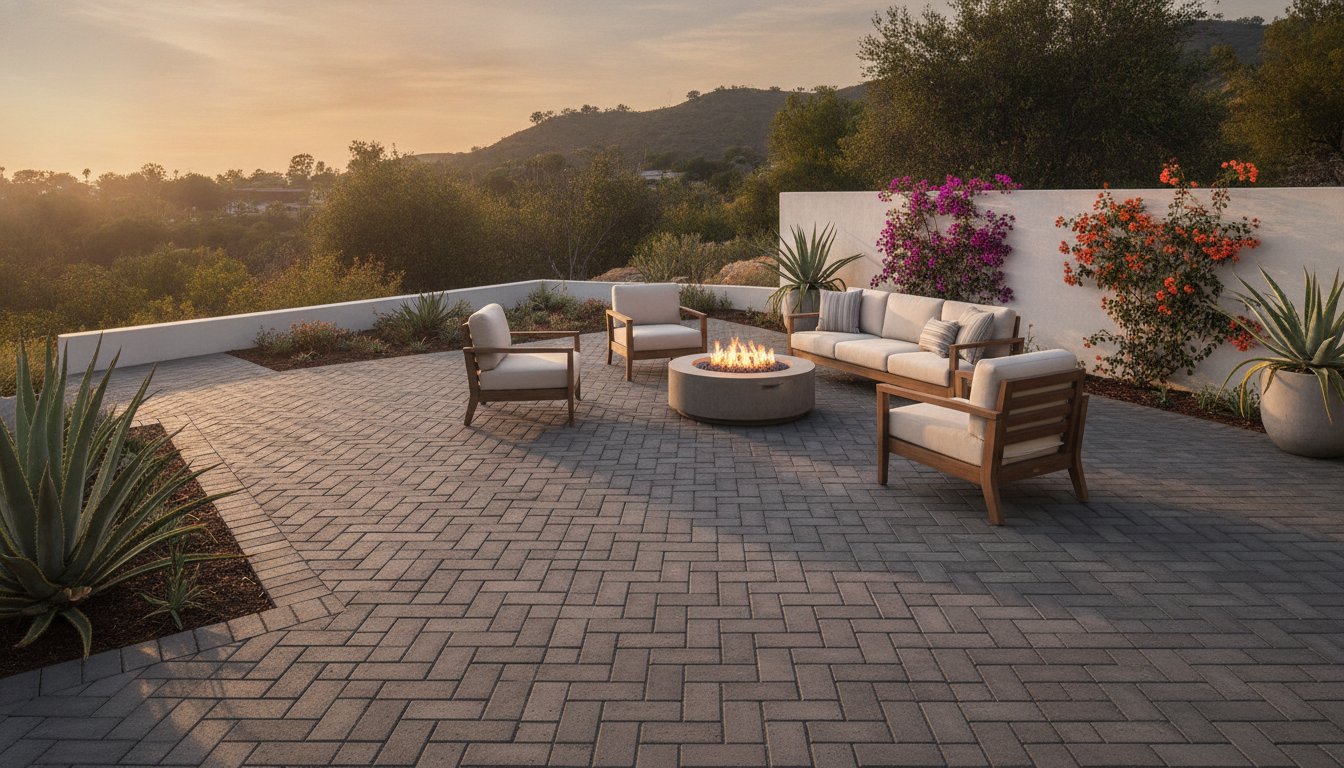
Paver Patio Cost in Los Angeles 2026: The Homeowner’s Investment Guide
What if your backyard isn't just a leisure space, but a critical piece of engineering designed to keep your home standing? In Southern California, the shifting soil and seismic activity mean a simple slab of concrete often ends up as a web of cracks within a few seasons. You're likely researching the paver patio cost Los Angeles because you want a solution that lasts. It's frustrating to receive high-end quotes that don't explain the technical justification behind the numbers, especially when you're trying to balance aesthetics with long-term structural integrity.
This guide empowers you to master the complexities of Los Angeles hardscaping, from material tiers to the essential drainage requirements that protect your foundation. You'll gain a clear understanding of how to plan for professional labor and navigate the specific 2026 permit thresholds required by the LADBS. We'll explore realistic timelines, material durability, and the vital role of permeable infrastructure. By the end, you'll have the confidence to transform your outdoor area into a functional sanctuary that adds genuine value, beauty, and peace of mind to your property.
Key Takeaways
- Establish a realistic budget by mastering the paver patio cost Los Angeles homeowners can expect in 2026, from urban centers to the Santa Clarita suburbs.
- Prioritize structural integrity with a professional sub-base designed to withstand seismic shifts and protect your home’s foundation from drainage issues.
- Navigate local permit thresholds and Low Impact Development (LID) requirements to ensure your project remains compliant and environmentally responsible.
- Evaluate the superior long-term ROI of pavers over concrete by understanding the "crack factor" and how flexible materials adapt to Southern California’s unique environment.
- Transform your backyard into a functional sanctuary using a foundation-first installation process that seamlessly integrates lighting, water features, and sustainable design.
Evaluating Paver Patio Costs in Los Angeles for 2026
Investing in a professional outdoor space requires a clear-eyed look at the current market. For 2026, professional installations typically range from $15 to $35+ per square foot. This variation isn't arbitrary. It reflects the complex reality of local logistics and site conditions. Urban projects in central Los Angeles often face tighter access and stricter staging requirements than sprawling properties in Santa Clarita. High-density neighborhoods demand more logistical precision. This drives the paver patio cost Los Angeles homeowners encounter upward compared to suburban settings where equipment moves freely. Your estimate rests on three primary pillars: materials, labor, and technical preparation.
Don't overlook the technical side. We view these projects as permeable infrastructure. This approach creates long-term value by managing runoff and protecting your home's foundation from the shifting SoCal soil. By prioritizing the structural base, you ensure your investment remains beautiful and level for decades. It's about more than just aesthetics; it's about engineering a sanctuary that lasts.
The "Per Square Foot" Deception
Small patios under 200 square feet often carry a higher per-foot premium. This happens because of mobilization costs. Moving a crew, heavy machinery, and materials to a tight urban lot costs the same whether the patio is 100 or 500 square feet. Large-scale residential hardscaping benefits from economies of scale. Once the equipment is on-site and the excavation begins, the incremental cost of adding more square footage drops. Plan your space holistically to get the best value from your contractor's time. For smaller Los Angeles urban lots, the fixed costs of permits and equipment transport represent a larger percentage of the total budget.
Material Tiers: From Concrete Pavers to Natural Stone
Select materials that balance your aesthetic goals with your budget. Standard interlocking concrete pavers offer exceptional durability and a budget-friendly entry point. They are the workhorse of modern hardscaping. For a more sophisticated look, premium porcelain and travertine provide the high-end aesthetic found in modern luxury homes. A quality paving stone selection serves as the visual anchor of your sanctuary. Remember that labor costs also scale with complexity. Intricate patterns like herringbone require more precision cuts and time than a simple running bond. This technical effort ensures a polished, professional finish that enhances your property's overall market value.
The Anatomy of an Estimate: Materials, Labor, and Prep
Creating a durable outdoor sanctuary begins long before the first stone is set. The paver patio cost Los Angeles homeowners encounter reflects a deep commitment to invisible infrastructure. We start with excavation and demolition. Removing old, cracked concrete or exhausted turf requires heavy machinery and significant labor. Disposal fees for concrete debris in the LA metro area can be substantial. Once the site is clear, we focus on the sub-base. For seismic stability in Southern California, Class II road base is non-negotiable. This layer of crushed rock provides the structural integrity needed to withstand the region’s shifting soil and occasional tremors.
Precision continues with bedding sand and jointing. We use high-quality polymeric sand to fill the gaps between pavers. This material hardens to prevent weed growth and insect intrusion while allowing the patio to remain flexible. To secure the entire assembly, we install professional edge restraints. These hidden borders prevent the patio from spreading or shifting outward over time. Adhering to the Los Angeles building code for patios ensures your project meets all safety standards for structural footings and drainage. If you're ready to build a lasting retreat, a sustainable landscape design will integrate these technical essentials into a beautiful final result.
Labor Rates in the Los Angeles Metro Area
Artisan labor in 2026 remains at a premium due to a shortage of specialized hardscape craftsmen. While mechanized installation might seem faster, the precision of hand-laid pavers ensures a tighter fit and a more resilient surface. Site accessibility plays a massive role in your final estimate. Canyon lots in the Hollywood Hills or narrow side yards in Silver Lake present unique challenges. If a crew cannot use standard earth-moving equipment, the increased manual labor naturally impacts the timeline and budget. Expert installers bring the peace of mind that comes from knowing every stone is placed with intent.
Hidden Costs: Grading and Soil Compaction
Water management is the most critical factor in protecting your home’s foundation. We correct existing slope issues to ensure all runoff flows efficiently away from your structure. A technical requirement for any professional installation is a 1-inch drop for every 4 feet of patio length. Achieving 95% soil compaction is equally vital. Without this level of density in the sub-grade, your patio is at risk of sinking or creating "birdbaths" where water pools. Proper grading and compaction are the hallmarks of a professional installation that respects both your property and the local environment.
Pavers vs. Concrete: Long-Term ROI in the Southern California Market
Choosing between a poured slab and an interlocking system involves more than just comparing initial quotes. While stamped concrete often presents a lower upfront price point, the paver patio cost Los Angeles homeowners pay is an investment in structural resilience. Poured concrete is rigid. In the expansive clay soils common across the Los Angeles basin, this rigidity leads to inevitable failure. When the ground shifts during seismic events or seasonal moisture changes, concrete slabs crack. These fissures are difficult to patch invisibly and often require a total tear-out to fix properly.
Pavers offer a different narrative. They function as a flexible mat. Because each stone is an individual unit, the system "breathes" and moves with the earth without losing its integrity. If a tree root lifts a section or a utility line needs repair, you simply lift the affected stones and replace them once the work is done. This modular nature eliminates the need for jackhammers and unsightly patches. According to the latest Cost vs. Value Report, high-quality hardscaping remains one of the most reliable ways to boost property resale value. In the competitive SoCal real estate market, a professional paver installation signals luxury and meticulous maintenance to potential buyers.
Durability in the SoCal Climate
Our local environment poses unique challenges to outdoor surfaces. Intense UV exposure often causes stained or stamped concrete to fade and peel within a few years. High-quality concrete pavers feature integral color that runs through the entire stone, ensuring the aesthetic remains vibrant for decades. During our increasingly common "atmospheric river" rain events, permeable paver systems allow water to infiltrate the ground rather than pooling against your foundation. On hot July afternoons, natural stone and light-colored pavers also stay significantly cooler underfoot than dark-stained concrete, creating a more comfortable barefoot experience for your family.
Investment Breakdown: 10-Year Outlook
- Initial Investment: Concrete is typically 30% to 50% less expensive than pavers upfront.
- Year 5 Maintenance: Concrete often requires crack filling and resealing. Pavers require simple joint sand top-offs.
- Year 10 Reality: Many LA concrete patios show structural cracking or surface scaling. Paver systems remain level and visually identical to day one.
- Estimated ROI: Professional paver installations in Los Angeles can see a return of 50% to 75% of their cost upon home sale.
Think of your patio as a 20-year asset. By choosing a material that adapts to the environment rather than fighting it, you secure long-term peace of mind. The slightly higher initial paver patio cost Los Angeles residents accept pays for itself through avoided repairs and sustained curb appeal. It’s the difference between a temporary surface and a permanent sanctuary.
Navigating Local LA Factors: Permits, Drainage, and Soil
Geographic location plays a decisive role in your final project budget. The paver patio cost Los Angeles homeowners encounter often fluctuates based on specific municipal requirements. While the City of Los Angeles generally allows ground-level paver patios without a permit, Santa Clarita and other outlying areas may have different thresholds for lot coverage. Navigating these regional nuances requires local expertise. Beyond the paperwork, the physical earth beneath your feet dictates the engineering. The expansive clay soil common in the San Fernando Valley and Santa Clarita requires a deeper sub-base to prevent shifting. Ignoring these geological factors leads to uneven surfaces and structural failure within just a few seasons.
Community standards also influence your design choices. If you live in a planned development, you must secure architectural committee approvals before breaking ground. These committees often dictate specific color palettes or material types to maintain neighborhood harmony. We help you prepare the necessary technical drawings and material samples to streamline this approval process. Secure your property’s future by partnering with a team that understands these regional complexities; schedule a professional hardscape consultation to design a compliant, beautiful sanctuary.
Essential Drainage: Protecting Your Foundation
Mastering water management is the most critical aspect of any hardscape project. Surface runoff is no longer an acceptable solution for LA code. Modern standards require that we capture and direct water away from your home’s foundation to prevent erosion and basement dampness. We integrate French drains and catch basins directly into your paver design. These systems work invisibly beneath the surface to manage heavy downpours. By linking these drainage solutions to sustainable irrigation systems, we can even redirect excess water to thirsty garden beds. This approach transforms a potential hazard into a resource for your landscape.
When Do You Need a Permit?
Understanding the square footage rules for residential zones is essential for a smooth installation. While small, ground-level patios are often exempt, projects involving significant grading or the addition of patio covers require official oversight. As of 2026, the City of Los Angeles has expanded its permeable surface requirements to mandate that residential lot coverage for non-permeable hardscape remains below 50 percent of the total yard area to combat urban heat islands. A licensed contractor manages the city inspection process for you. This ensures every footing and drainage pipe meets current safety codes. Adhering to these Low Impact Development (LID) requirements protects your property value and ensures your paver patio cost Los Angeles remains a sound, legal investment.
The Alma Gardening Standard: Crafting Sustainable Outdoor Sanctuaries
We believe a patio is the heartbeat of your outdoor ecosystem. It shouldn't just be a surface; it should be a functional sanctuary that respects the local environment. Our 5-step "Foundation-First" installation process ensures your investment stands firm against the test of time. We begin with rigorous site preparation, followed by engineered sub-base installation and precision bedding. We then set each stone with artisan care before finishing with high-performance jointing and final site integration. This methodical approach guarantees that your paver patio cost Los Angeles project delivers both technical excellence and aesthetic harmony.
Sustainable design is the core of our philosophy. We specialize in pairing durable hardscaping with native, drought-tolerant plants that thrive in the Southern California sun. By integrating pavers with custom lighting and water features, we create a cohesive visual narrative that feels like a natural extension of your home. This holistic vision ensures that your outdoor space isn't just beautiful on the day of completion, but remains a thriving, low-maintenance asset for decades. Technical precision meets aesthetic vision in every project we undertake.
Beyond the Bricks: A Holistic Approach
We often blend paver systems with synthetic turf or sustainable gardens to help you reduce water bills and maintenance time. Professional irrigation capping is a standard part of our workflow. We ensure all existing lines are safely secured before the hardscape is laid. This prevents underground leaks that could undermine your patio’s stability. Whether you envision a professional-grade outdoor kitchen or a cozy fire pit for cool canyon evenings, we tailor every detail to your specific lifestyle. Our goal is to transform your yard into a space that invites you to linger and recharge.
Requesting Your Custom Design Consultation
Your journey begins with a comprehensive site assessment. We analyze your property’s soil density, existing drainage patterns, and architectural style to build a plan that works for your specific lot. We provide transparent, itemized quoting so you understand exactly where your resources are going. You won't find hidden fees for prep work or waste removal in our estimates. We value your peace of mind as much as the quality of our craftsmanship. If you are ready to begin, transform your Los Angeles backyard with an expert paver patio estimate from Alma Gardening Company. Your total paver patio cost Los Angeles investment becomes a clear blueprint for a lifetime of outdoor enjoyment.
Build Your Permanent Los Angeles Sanctuary
Understanding the paver patio cost Los Angeles homeowners face allows you to move beyond surface-level aesthetics and invest in true structural resilience. You now know that the lasting value of a patio lies in its invisible infrastructure. Prioritizing a reinforced sub-base, precision grading, and integrated drainage systems protects your home's foundation from the unique challenges of Southern California soil. By choosing a modular paver system over rigid concrete, you've selected a landscape that adapts to the environment rather than fighting it.
Partnering with licensed and insured local hardscape contractors ensures your project meets every 2026 regulatory standard while enhancing your property's ecological health. We are specialists in Los Angeles drainage and foundation protection, bringing deep expertise in sustainable, drought-tolerant landscape integration to every project. We handle the technical complexities so you can focus on the beauty of your transformation. Get a Professional Paver Installation Quote for Your LA Home and take the first step toward a functional retreat that adds lasting value to your lifestyle. Your vision for a sustainable, crack-resistant outdoor space is ready to become a reality.
Frequently Asked Questions
How much does a 500 sq ft paver patio cost in Los Angeles?
Industry data suggests that a 500 square foot project typically ranges between $4,500 and $14,000 depending on material selection and site complexity. This paver patio cost Los Angeles homeowners encounter covers essential excavation, base preparation, and skilled artisan labor. Your final investment reflects the quality of the sub-base and the intricacy of the design pattern. High-end materials like natural stone or porcelain will naturally sit at the higher end of this market range.
Do I need a permit for a paver patio in Santa Clarita?
Most ground-level paver installations in Santa Clarita don't require a permit if they remain below specific lot coverage thresholds. However, you must secure a permit for any associated structures over 120 square feet or projects involving significant grading. Always consult with a licensed contractor who understands local Santa Clarita environmental factors. This ensures your project stays compliant with the 2026 residential codes and avoids potential city demolition orders.
Are pavers better than concrete for Los Angeles homes?
Pavers are superior to concrete in Southern California because they flex with the region's shifting soil and seismic activity. While a solid concrete slab inevitably develops deep cracks, interlocking pavers move as individual units to maintain a level surface. This modular design provides long-term peace of mind and simplifies future repairs. You gain a durable, aesthetic sanctuary that avoids the costly crack factor associated with traditional poured slabs.
How long does a professional paver installation take?
A professional installation for a standard backyard patio typically takes between five and seven working days. This timeline accounts for the 35 to 40 labor hours required for every 300 square feet of hardscaping. Complex site preparation, such as removing old concrete or correcting steep slopes, can extend this duration. Our methodical process ensures every stage, from excavation to final jointing, receives the attention to detail your home deserves.
Will a paver patio help with my yard’s drainage issues?
A properly engineered paver system is a powerful tool for managing yard drainage and protecting your home's foundation. We integrate French drains and catch basins into the design to redirect water away from structures. Permeable paver options further enhance this benefit by allowing rainwater to infiltrate the ground naturally. This sustainable approach prevents pooling, reduces runoff, and helps your landscape thrive during intense Southern California rain events.
What are the best pavers for the high Southern California sun?
Porcelain and light-colored concrete pavers are the best choices for managing the intense Southern California sun. These materials offer high UV resistance and remain significantly cooler underfoot than dark-stained concrete or asphalt. Porcelain is particularly effective because it doesn't fade or absorb heat as readily as other surfaces. Choose materials with integral color to ensure your patio stays vibrant and comfortable for your family throughout the summer months.
How much maintenance do pavers actually require in LA?
Pavers are remarkably low-maintenance and only require regular sweeping and an occasional rinse to stay pristine. You should plan to refresh the polymeric joint sand every three to five years to prevent weed growth and maintain structural integrity. Applying a high-quality sealer every few seasons also protects the stone from stains and UV damage. This simple routine preserves the beauty and utility of your investment with minimal effort or expense.
Can I install pavers over an existing concrete patio to save money?
You can technically install pavers over existing concrete, but it's rarely the recommended approach for long-term durability. Any cracks in the underlying slab will eventually mirror through to the pavers above. The additional height also creates trip hazards at doorways and impacts the drainage flow away from your foundation. Removing the old concrete allows for a proper Class II road base that ensures a level, lasting finish for your new sanctuary.
